





(Written by an IBCLC who has helped thousands of mums navigate this – and wants to reassure you that there is no perfect day, just a sensible window)
What you’ll learn in this blog;
- When to introduce a bottle
- Signs breastfeeding is established
- How to avoid bottle refusal
- How to protect your milk supply
The short answer on timing
For most breastfed babies, a bottle can be introduced around 3 to 6 weeks. By this point, breastfeeding is more established, your baby is feeding more effectively, and your milk supply is more stable. This timing helps reduce the risk of supply disruption and makes the introduction less likely to interfere with breastfeeding.
That said – it is a window, not a deadline. What matters more than the exact week is whether breastfeeding is actually established.
Quick Takeaway;
- Introduce between 3-6weeks
- Focus on breastfeeding being established, not the exact date
- Keep it low pressure

What does ‘breastfeeding is established’ actually mean?
Rather than going by age alone, look for these signs before introducing a bottle:
- Your baby is latching well and feeds are comfortable
- Your baby is gaining weight as expected
- You are seeing regular wet and dirty nappies
- Feeding feels more settled and predictable than it did in week one
When you can tick most of those boxes, you are in a good place to start introducing a bottle gently.

What happens if you introduce a bottle too early?
In the early weeks, your body is still establishing your milk supply, and frequent, effective feeding is what builds it. Introducing a bottle too early can reduce the time your baby spends at the breast, reduce stimulation, and impact supply before it has had a chance to get properly going.
This is not about never using a bottle – it is about giving breastfeeding the best possible start before adding something new into the mix.
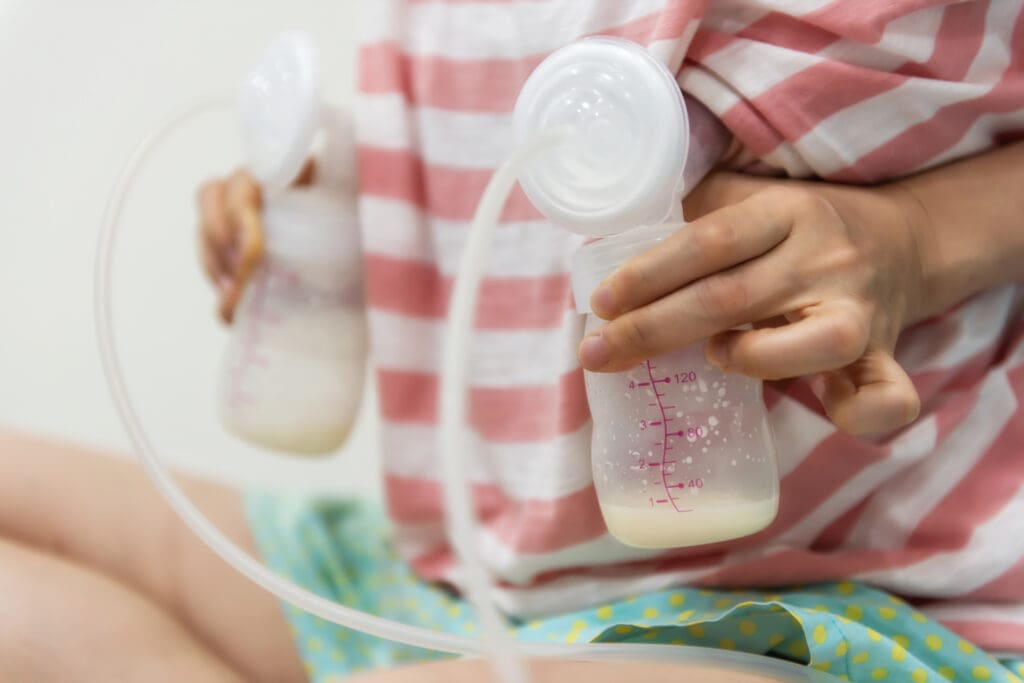
What about introducing it too late?
This is the other side of it, and it catches a lot of mums out. Some babies who are exclusively breastfed for a long time develop a very strong preference for the breast and will flatly refuse a bottle when it is eventually offered. This is especially common in breastfed babies, and it can make things really difficult if you need to go back to work or want any flexibility.
There is no hard deadline, but leaving it very late – beyond 8 to 10 weeks without any exposure – does increase the chance of refusal. Somewhere in that 3 to 6 week window is a sensible place to start.
Risk of waiting too long;
- Higher chance of bottle refusal
- Less flexibility later
- Can feel very stressful when needed urgently
How often should you offer a bottle once you start?
Start slowly and keep it low pressure. Offering one bottle every one to two days is plenty to begin with – enough to keep your baby familiar with it without disrupting breastfeeding. You do not need to push it every day (unless this is your aim), especially while you are both finding your feet with it.

Who should give the bottle?
You might have heard that you should always hand the bottle over to someone else – the idea being that your baby will accept it more easily if you are not there. And yes, that can help later on. But in my experience, starting with you often works really well.
Your baby already feels safe with you. Introducing something new in that context, calmly and without pressure, can make the whole thing a lot less fraught. Once your baby is accepting the bottle happily with you, handing it over to a partner or family member is usually much easier.
How to protect your milk supply when introducing a bottle
If your baby is having a bottle instead of a breastfeed, pump at that same time (or if you’re offering a bottle to sleep then pump at another time in the day). This keeps milk removal consistent and sends the right signal to your body. Skipping that step is one of the most common ways supply gets accidentally dented during bottle introduction.
Protect your supply;
- Pump when baby has a bottle (OR another time in the day)
- Keep milk removal consistent
- Do not skip this step!
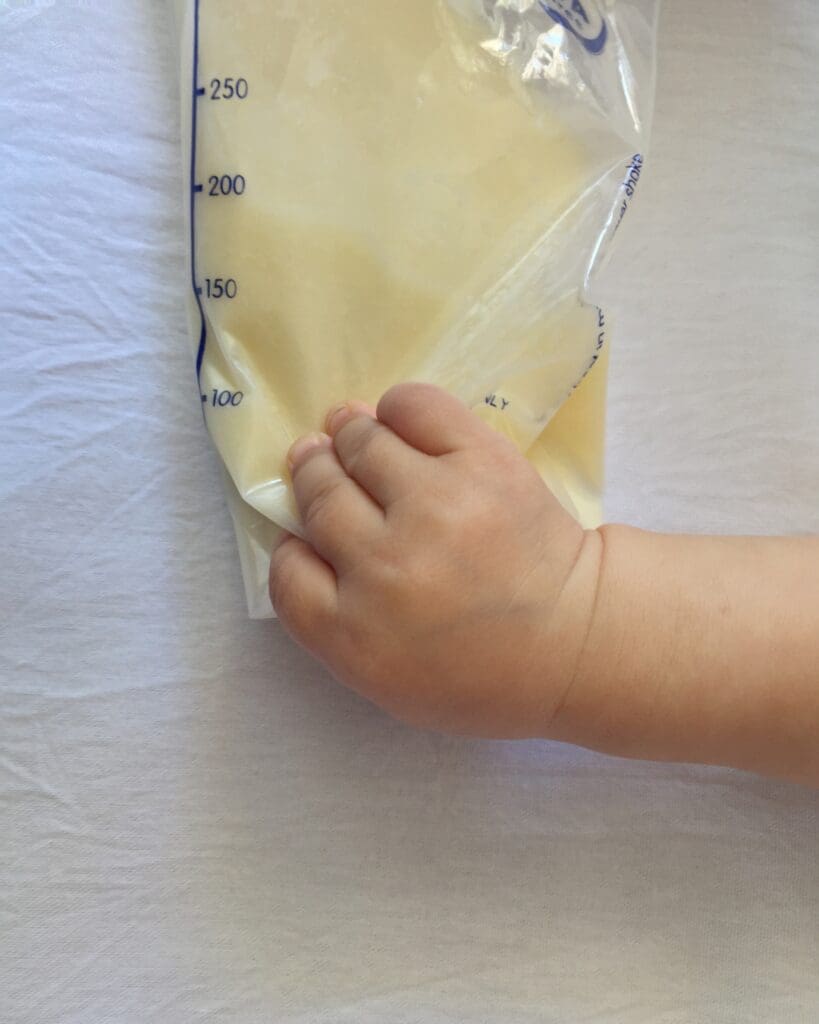
What if your baby refuses the bottle?
Really common. Like, very common – around 60% of breastfed babies will refuse the bottle. This does not mean you have done anything wrong or that your baby will never take one. It usually means they need a slightly different approach – different positioning, a different pace, a bit more patience.
If you are already in this situation, you can take my incredibly successful course on what to do when a breastfed baby won’t take a bottle.
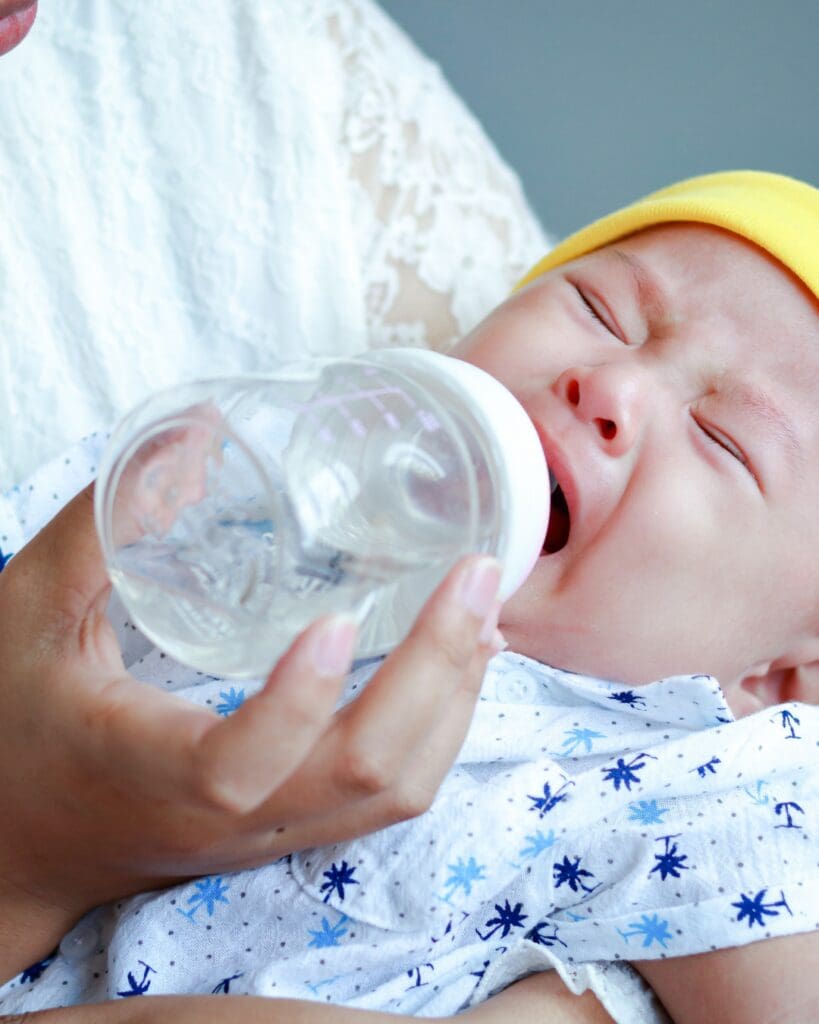
Common mistakes when introducing a bottle
Introducing it too early
Before breastfeeding is properly established, adding a bottle into the mix can interfere with supply and disrupt the breastfeeding relationship before it has found its feet.
Waiting too long
Leaving it until your baby is several months old with no exposure to a bottle makes refusal much more likely. Start in that 3 to 6 week window if you can.
Making it a stressful event
If every bottle attempt becomes a battle, your baby will start to associate the bottle with stress – which makes the whole thing harder. One calm attempt is worth ten tense ones. If it is not working today, put it down and try again tomorrow.
Overusing bottles too early
Replacing lots of breastfeeds with bottles before supply is well established can reduce breast stimulation and affect your supply. Keep bottles as a complement to breastfeeding rather than a replacement in the early weeks.
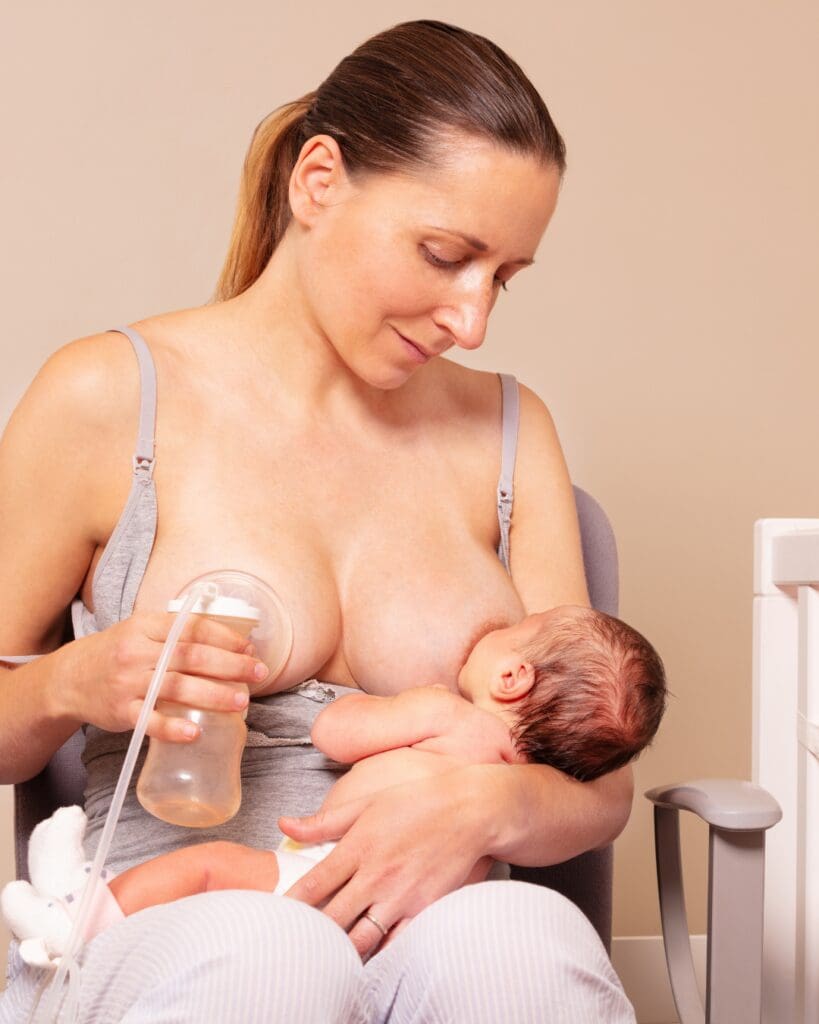
What actually matters most
Introducing a bottle is not about getting it perfect. It is about keeping your baby comfortable, protecting breastfeeding, and taking it at a pace that works for both of you. Small, calm, consistent steps will always get you there faster than forcing the issue.

Want a clear, calm plan for introducing a bottle?
This is exactly what I cover inside my Bottle Refusal course – a step-by-step guide to introducing a bottle without the stress, and what to do if your baby is already refusing. Inside, you’ll learn:
- How to introduce a bottle step by step
- How to avoid the common mistakes that lead to refusal
- What to do if your baby is already refusing
- How to keep the whole thing calm and low pressure
No more trying everything at once and hoping something sticks. You can start the Bottle Refusal course here.
Thinking about pumping alongside bottle introduction?
If you are introducing a bottle, knowing how to pump alongside breastfeeding becomes really important for protecting your supply. My Pumping When Breastfeeding course covers exactly that – when to pump, how to protect your supply, and how to build a small stash without overcomplicating things.
You can start the Pumping When Breastfeeding course here.


Comments +