





(Written by an IBCLC who wants to cut through the noise and just tell you what actually works)
This post contains affiliate links. If you purchase through these links I may earn a small commission at no extra cost to you. I only ever recommend products I genuinely believe in.
So you are breastfeeding, you are thinking about introducing a bottle at some point, and you have made the mistake of Googling which one to buy. Now you are staring at dozens of brands, multiple teat shapes, wildly conflicting reviews, and the faint but persistent worry that choosing the wrong one will somehow ruin everything.
Take a breath. It will not ruin everything. But the bottle you choose can make a real difference – not because there is one magic option that works for every baby, but because some features are genuinely more supportive of breastfeeding than others.
Here is what to actually look for, and the bottles I recommend as an IBCLC.
What you’ll learn;
- What actually matters when choosing a bottle
- Features that support mixed feeding
- The bottles worth trying
- What matters more than the bottle
Do breastfed babies need a specific type of bottle?
Breastfed babies feed differently to bottle-fed babies. At the breast, your baby controls the flow, uses a wide mouth opening to latch, and feeds in a responsive, paced way. A bottle that supports these things as much as possible makes the transition easier and reduces the risk of your baby developing a preference for the bottle over the breast.
You will see lots of bottles marketed as “just like the breast” – and while no bottle fully replicates breastfeeding, some do a better job than others of supporting similar feeding patterns.

What to look for in a bottle for a breastfed baby
A gradual teat shape
Look for a gentle, gradual slope rather than a narrow, long teat. A wider base encourages your baby to open their mouth more broadly – much like they would at the breast – which supports a better latch on the bottle.
A slower flow teat
Fast flow teats can overwhelm a breastfed baby, cause them to gulp and take in lots of air, and make the bottle feel very different to the breast. A slower flow keeps your baby more in control and makes the experience feel closer to breastfeeding. Most newborns should start on the slowest flow available.
A soft, flexible teat
A softer teat allows for more natural sucking patterns and is generally more comfortable for your baby. It also tends to compress more like breast tissue, which can help with the transition.
Paced feeding compatibility
This matters more than most people realise – and it is more about technique than the bottle itself. Paced feeding means holding your baby more upright, keeping the bottle horizontal rather than tipped steeply, and letting your baby control the feed rather than the flow doing it for them. Any bottle can be used with a paced feeding approach, but some make it easier than others.
The bottles I recommend as an IBCLC
I want to be upfront here: I only recommend products I genuinely believe in based on my clinical experience. Here are the bottles I suggest most often and why.
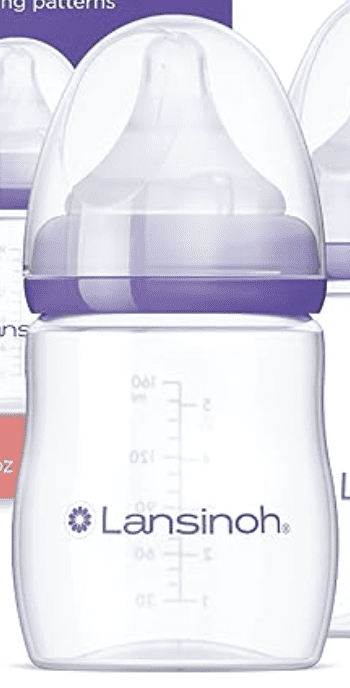
A consistently reliable option for breastfed babies. The NaturalWave teat is designed to encourage a natural latch and works well with paced feeding. A great starting point for most babies. This link will give you 20% off these bottles.
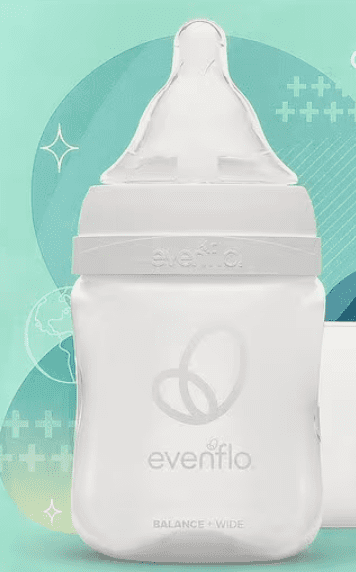
Evenflo Balance Wide Neck Bottle
A solid, affordable option with a wide neck and gradual teat shape. The slow flow teat works well for breastfed babies and it is easy to use with paced feeding technique.
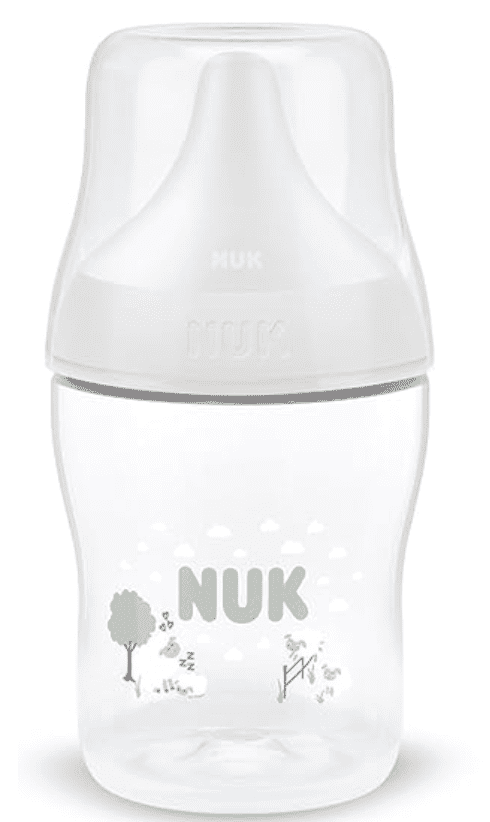
NUK’s asymmetric teat design is based on how babies feed at the breast, and this bottle tends to work well for babies who are a bit fussy about accepting a bottle. The slow flow and soft teat make it worth trying if other options have not worked.
What matters more than which bottle you choose
I want to say this clearly because I see a lot of mums spending a fortune trying bottle after bottle: the bottle itself is rarely the main reason a baby refuses. What matters much more is the timing of introduction, how the bottle is offered, keeping things calm and low pressure, and using a paced feeding approach.
You do not need six different bottles. Start with one appropriate option, use good technique, and stay consistent. Constantly switching bottles can actually make refusal worse by introducing more novelty and more opportunity for your baby to reject things.
What actually matters;
- Timing
- Technique
- Low pressure
- Consistency
A quick note on how to introduce the bottle
Keep your baby calm before you start. Use a paced feeding approach – baby fairly upright, bottle held more horizontal, letting them draw the milk rather than it pouring in. Keep it low pressure, and if it is not working today, stop and try again tomorrow. One calm attempt is always worth more than ten stressed ones.
If you want a full step-by-step plan for bottle introduction, you can read my guide on when to introduce a bottle to a breastfed baby.

Want a clear plan to introduce a bottle without the stress?
This is exactly what I cover inside my Bottle Refusal course – a calm, structured approach to introducing a bottle and what to do if your baby is already refusing. Inside, you’ll learn:
- How to introduce a bottle step by step
- How to choose the right setup for your baby
- What to do if your baby refuses
- How to keep the whole thing calm and low pressure
No more trying everything at once. You can start the Bottle Refusal course here.
Pumping alongside bottle use?
If you are introducing a bottle, knowing when and how to pump is important for protecting your milk supply. My Pumping When Breastfeeding course covers exactly that – including how to build a small stash and avoid the common mistakes that catch mums out.
You can start the Pumping When Breastfeeding course here.


Comments +