





At some point, most breastfeeding mums start thinking about the pump. Maybe you’re going back to work. Maybe you want your partner to do a feed. Or maybe you just want a little bit of freedom, and a milk stash in the freezer that feels like a backup plan.
All completely valid reasons. And then the questions start:
- “When should I actually start pumping?”
- “Will it mess up my supply?”
- “How do I do this without making everything more complicated?”
Hi, I’m Meghan, midwife and IBCLC, and let me tell you, pumping alongside breastfeeding absolutely CAN work. You just need to do it the right way, at the right time. Pumping too early or without a plan can cause problems. But done properly, it works really well. Here’s what you need to know.

In this post:
- When to start pumping
- How to protect your milk supply
- A simple daily plan
- Mistakes to avoid
First, do you actually need to pump right now?
Worth asking before you do anything else. If you’re exclusively breastfeeding, with your baby most of the time, and you don’t need to be apart from them, you may not need to pump yet at all. Direct breastfeeding is the most effective way to keep your supply going in the early weeks, and adding pumping before you need it can sometimes create more complications than it solves.
Pumping is a tool, not a requirement. It’s brilliant when you need it, but there’s no need to add it in before you do.

Quick reality check:
- You may not need to pump yet
- Breastfeeding alone builds supply best early on (if latching is going well)
- Pumping is a tool, NOT a requirement for breastfeeding
When should you start pumping?
For most mums, the advice is to wait until breastfeeding is established, which is usually around 3 to 6 weeks after birth. By then your supply is more stable, your baby is feeding more effectively, and the latch is more settled.
Starting too early can interfere with your supply settling down, increase the risk of oversupply, and honestly just make things feel more complicated at a time when you’re already dealing with a lot. There are exceptions. If your baby isn’t feeding well, or you’ve been separated from your baby, pumping from the start may be necessary. But for most mums, a few weeks of just feeding first is the right call.

How milk supply works (and why it matters for pumping)
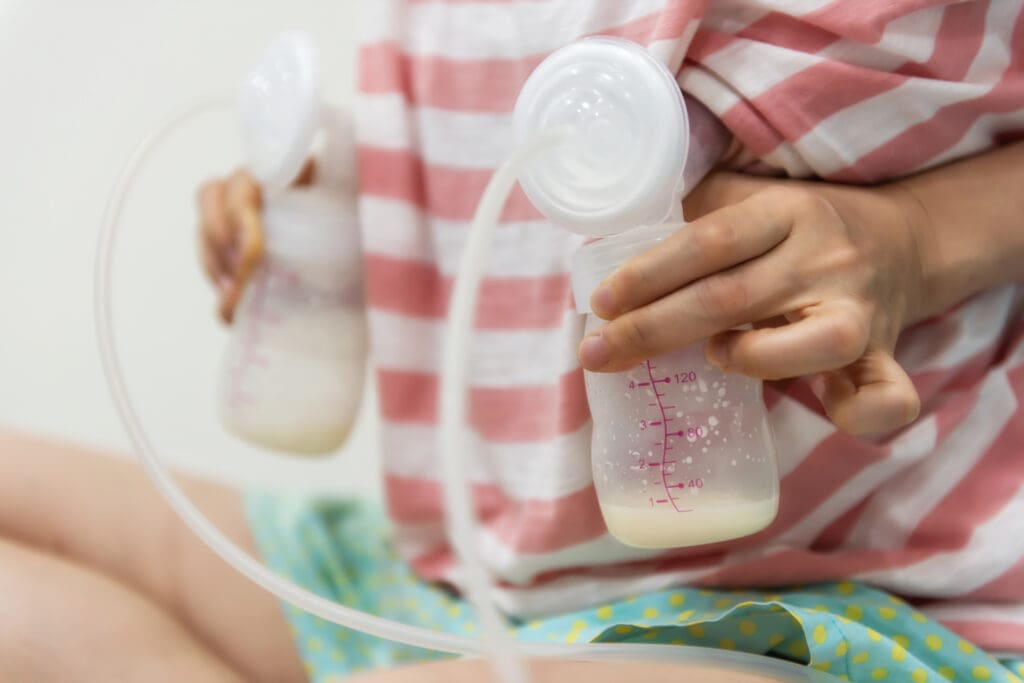
Your milk supply is all about removal. The more milk that’s removed, whether by your baby or a pump, the more your body makes. The less that’s removed, the less it makes. Every time you pump, you’re sending your body a signal to make MORE milk.
That’s why the timing and frequency of pumping matters. It’s not just about getting milk out. It’s about the message you’re sending to your supply.
Supply basics:
- Milk removal drives supply up
- Pumping = a signal to your body to make MORE milk
- Timing and frequency matter
The simplest way to start pumping
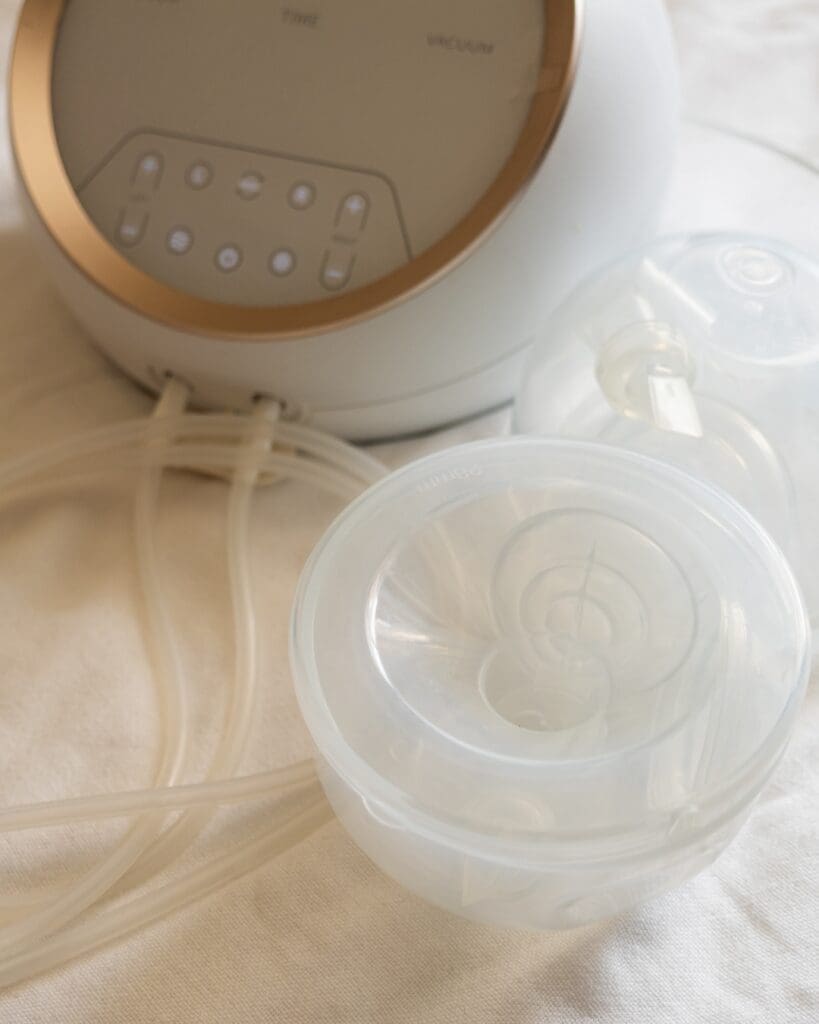
Keep it really simple to begin with. Start with just one pumping session a day, after your first morning feed. Supply tends to be highest in the morning, so it’s the easiest time to get some milk when you’re just starting out.
You don’t need to pump for ages. Around 15 to 20 minutes, or until the flow slows down, is plenty. You don’t need to completely empty the breast. And please don’t stress if the amount seems small at first, okay? What you pump doesn’t always show how much your baby gets at the breast. Babies are almost always better at it than pumps!!
Common mistakes that can affect your supply
Starting too early
Pumping in the first couple of weeks, before your supply has had a chance to settle, can create oversupply, increase the risk of blocked ducts, and make feeding feel much more complicated than it needs to be.
Pumping too often
More isn’t always more with pumping. Too many sessions can lead to oversupply, which sounds like a good problem to have but really isn’t. It can cause discomfort, engorgement and mastitis.
Swapping breastfeeds for pumping too soon
If you start replacing breastfeeds with pumping before your supply is established, and the pump is less efficient than your baby at removing milk, your supply can drop. In the early weeks, feed your baby directly wherever you can.
Expecting lots of milk straight away
Small amounts at the start are completely normal and NOT a reflection of your supply. It gets better with time and consistency. Give it a chance.
How to build a small milk stash without overdoing it
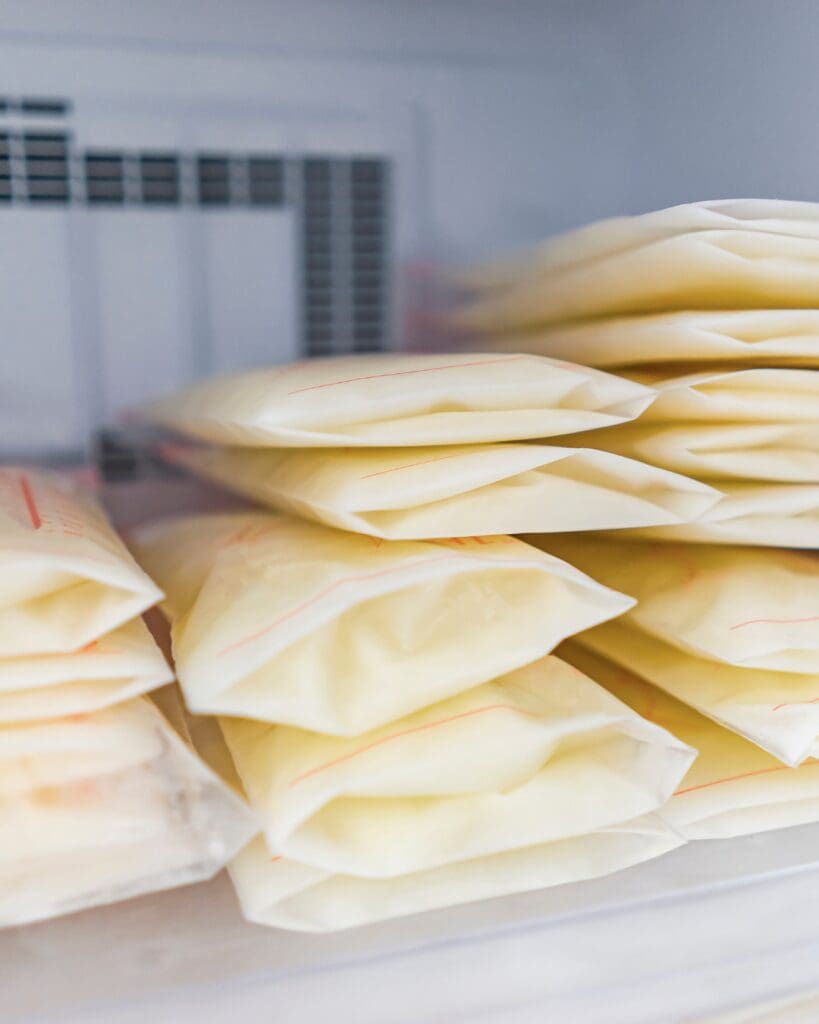
If a freezer stash is your goal, slow and steady wins. One pumping session a day, storing small amounts and building up over a few weeks, is so much more sustainable than trying to build a huge stash quickly.
You don’t need a freezer full of milk before you go back to work. A few days’ worth, built up gradually, is plenty to start with.
When pumping becomes more essential
Sometimes pumping isn’t just a nice-to-have, it’s genuinely important:
- Going back to work and needing to keep your supply up while you’re away from your baby
- Your baby isn’t feeding well and you need to protect your supply
- You need to be apart from your baby for any reason
In these situations, a more structured pumping plan really helps, and this is where proper guidance makes a big difference.
Introducing a bottle with pumped milk
If you’re planning to use pumped milk in a bottle, wait until breastfeeding is established before you introduce it, keep feeds responsive, and introduce it gradually. If your baby’s refusing the bottle, take a look at my video course on what to do when a breastfed baby won’t take a bottle.
Want to feel confident about pumping alongside breastfeeding?
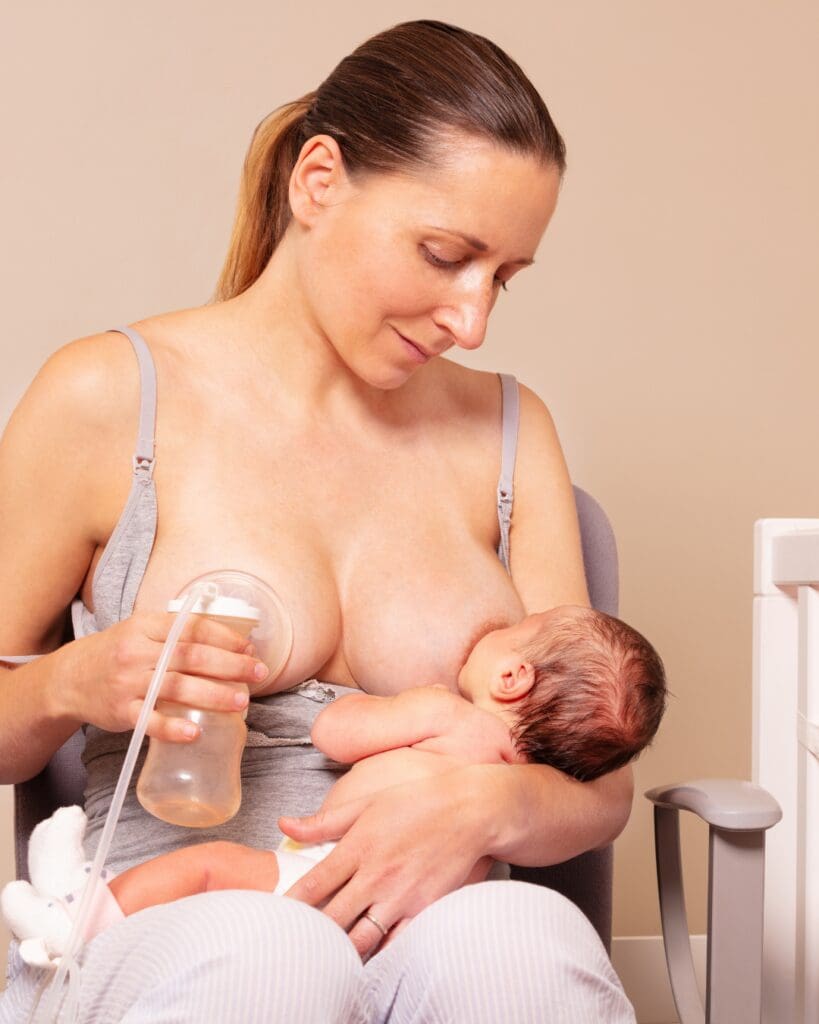
This is exactly what I cover inside my Pumping When Breastfeeding course. It’s a clear, no-BS guide to doing this properly without messing up your supply or overcomplicating your feeding. Inside, you’ll learn:
- When and how to start pumping
- How to protect your milk supply while pumping
- How to introduce bottles alongside breastfeeding
- How to build a stash without creating oversupply
No guessing, no overcomplicating it. You can start the Pumping When Breastfeeding course here.
Want everything in one place?
The Pumping When Breastfeeding course is also included inside my Ultimate Breastfeeding Course, alongside everything you need on latch, milk supply, feeding patterns and introducing a bottle. It’s for mums at every stage, whether you’re still pregnant or already breastfeeding and thinking about next steps.
You can start the Ultimate Breastfeeding Course here.
You might also find these helpful
- How often should a newborn feed? What’s actually normal
- Is my baby getting enough milk? Signs to look for
- Cluster feeding explained: why your baby won’t settle
Want more help like this?
Join Notes from the Night Feed, my newsletter. Real feeding help from a midwife and IBCLC, a little bit of my week, and you’re the first to hear about anything new. Unsubscribe any time.
Midwife Meghan ❤️


Comments +