




You’re pumping regularly.
You’re doing everything right.
And you’re getting about three drops and a sore nipple for your trouble.
Before you decide your body “doesn’t respond to the pump” (it almost certainly does), I want you to check one thing first: your flange size.
Hi, I’m Meghan, midwife and IBCLC. I’ve seen SO many mums blame themselves for low output, when the real problem was a bit of plastic that didn’t fit.
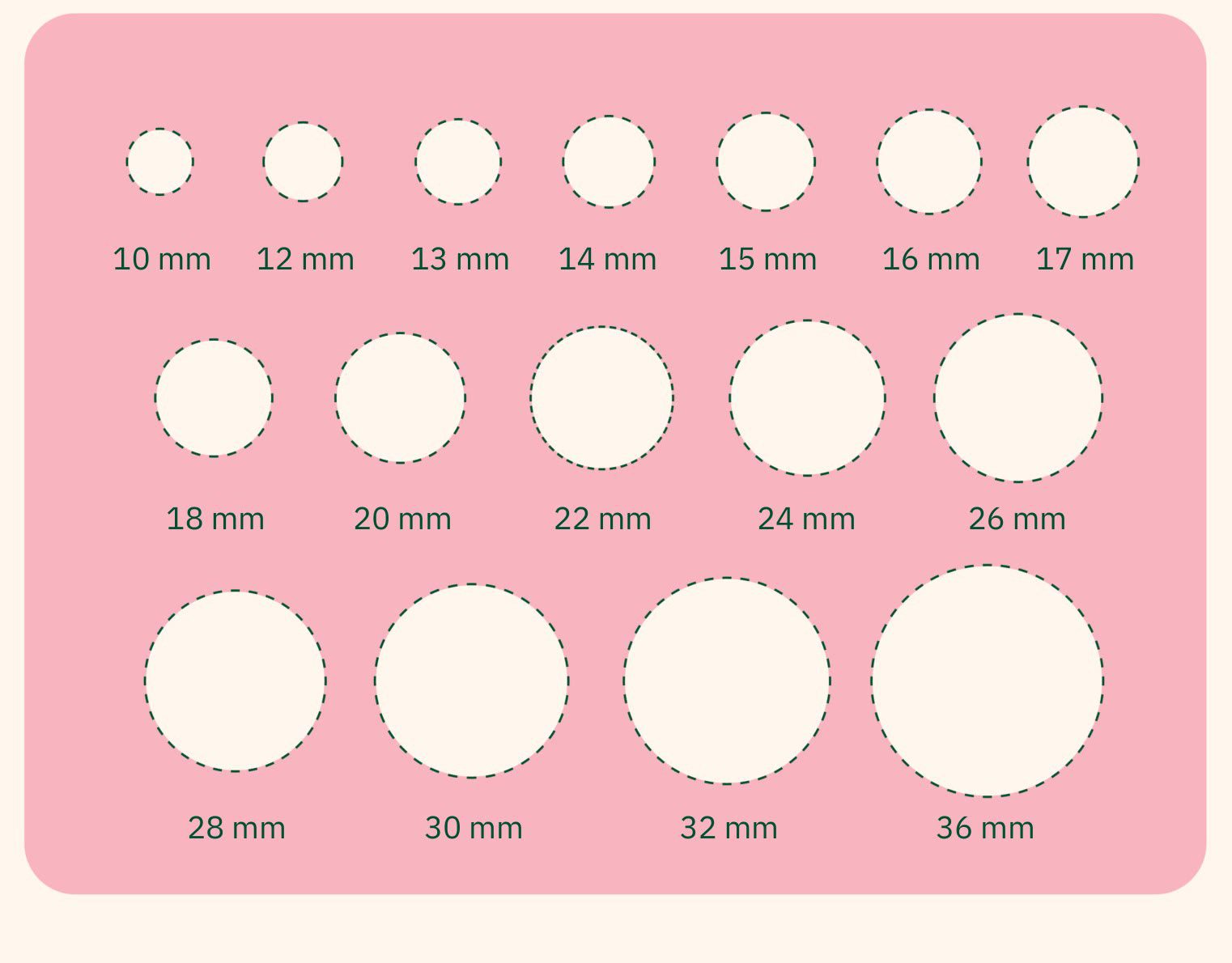
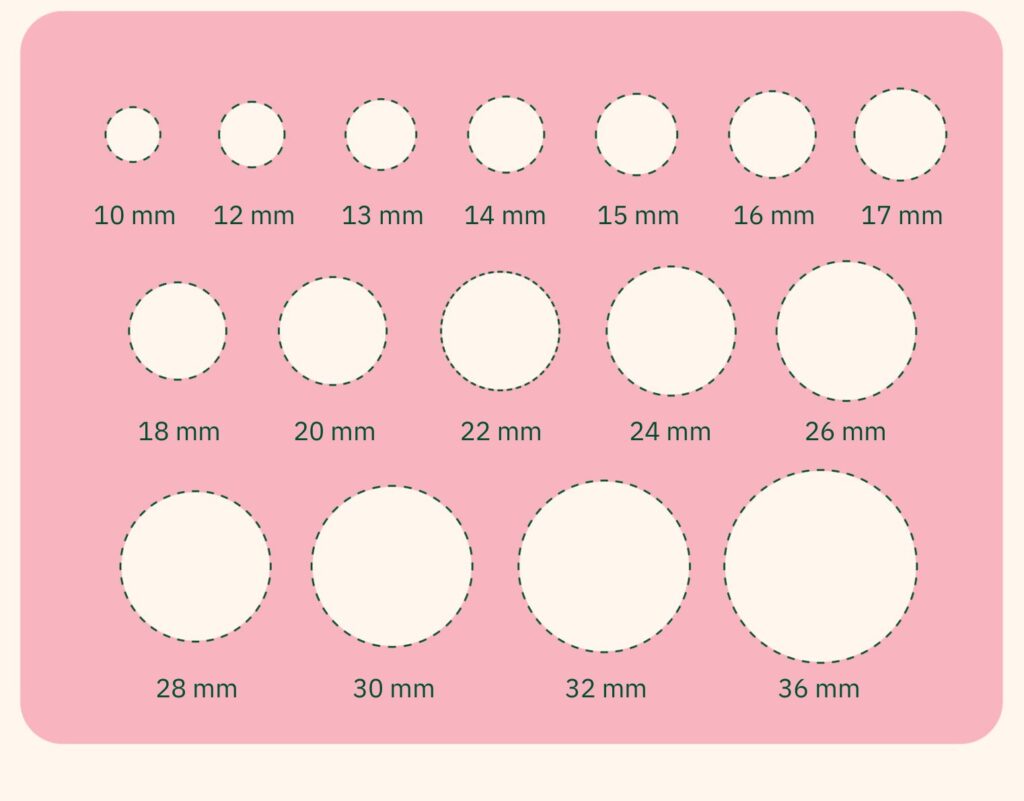
The good news? It takes about two minutes to check, and I’ve made you a free printable nipple ruler to do it.
Get your free printable nipple ruler here
In this post:
- What a flange is and why the size matters
- Signs your flange doesn’t fit
- How to measure your nipple (properly)
- What to do if pumping still feels wrong
What is a flange?
The flange (sometimes called a breast shield) is the funnel-shaped part of your pump that sits over your nipple. Its job is to make a seal, let your nipple move freely while you pump, and remove milk well.
For all of that to work, the fit has to be right. And most mums aren’t using the right size.
Why your flange size matters so much
Flange size affects how much milk you remove, how comfortable pumping feels, and how well your supply holds up over time. Too small or too big, and milk isn’t removed as well as it should be. That’s uncomfortable AND it works against you.
It sounds like a tiny detail. It really isn’t.
Signs your flange is too small
- Your nipple rubs or catches on the sides of the tunnel
- Pinching or sharp pain while you pump
- Milk flow slows down
- Sore or damaged nipples after a session
Signs your flange is too big
- Lots of areola gets pulled into the tunnel
- Swelling or puffiness around your nipple
- Discomfort during or after pumping
- Low output, even though you’re pumping regularly
What a good fit looks like
When your flange fits, your nipple moves freely in the tunnel without rubbing the sides. Only a little areola gets pulled in. You feel strong suction, but it doesn’t hurt. And your milk flows steadily.
A little areola movement is normal. Pain, tightness or lots of swelling are not. If you’ve got any of those, it’s time to measure again.
How to measure your nipple
This is the step most mums skip, and it’s the most important one. Your flange size is based on your nipple, not your breast size.
- Measure across the base of your nipple only. Don’t include your areola.
- Measure when your nipple is relaxed, not straight after a feed or a pump.
- Add 1 to 3mm to that number. That’s your starting flange size.
That’s it!! Trying to do this with a tape measure while keeping a baby happy is fiddly, so print my ruler and you’ll get a much more accurate starting point than guessing from the box.
Download your free nipple ruler here
Why the flanges in the box probably don’t fit you
Most pumps come with one or two standard sizes. But nipples vary HUGELY from mum to mum, and lots of us don’t fit the sizes in the box. Using a flange because it came with the pump, rather than because it fits, is really common. And it causes a lot of pain and low output that never needed to happen.
If you measure smaller than the smallest flange you’ve got, flange inserts can bring the tunnel down to your size without buying a whole new pump.
Your size can change
Lots of mums get the right size at the start, then find things stop working as well a few weeks later. That’s normal. Your nipple size can change in the early weeks as swelling goes down, and it can change depending on how often you pump. If something stops feeling right, measure again rather than pushing through.
If pumping still feels wrong after you’ve sorted the flange
The flange is the first thing to check, but it isn’t always the only thing. If the fit is right and things still feel off, look at:
- Your pump settings. Suction that’s too high is a really common problem (higher doesn’t mean more milk!)
- How often you’re pumping, and when
- How much milk is being removed overall
If you’ve got a Spectra, my free Spectra settings cheat sheet shows you exactly which settings to use, minute by minute.
Often it’s a mix of things, and sometimes it just needs a fresh pair of eyes. Please don’t keep going with a pump that hurts. Help is here!!
Pumping alongside breastfeeding?
If you’re pumping alongside breastfeeding and want a clear plan that protects your supply, my Pumping When Breastfeeding course covers exactly that. Inside, you’ll learn:
- When to pump, and when not to
- How to protect your milk supply
- How to bring in bottles without upsetting breastfeeding
- The common mistakes that lower your output, and how to avoid them
You can start the Pumping When Breastfeeding course here.
Exclusively pumping?
If your baby is fed fully from the pump, you need a slightly different plan. My Ultimate Pumping Course is built for exactly that: from your first session to your last, how to build and keep a full supply, and how to do it without burning out.
You can start the Ultimate Pumping Course here.
You might also find these helpful
- How to start pumping while breastfeeding (without hurting your supply)
- Why breastfeeding hurts (and how to fix it quickly)
- Best bottles for breastfed babies (and why it matters)
Want more help like this?
Join Notes from the Night Feed, my newsletter. Real feeding help from a midwife and IBCLC, a little bit of my week, and you’re the first to hear about anything new. Unsubscribe any time.
Midwife Meghan ❤️


Comments +